
Discover how the body’s natural responses to training can both enhance and hinder your fitness journey, and why understanding these processes is crucial for unlocking your full potential.
Unveiling the Body’s Adaptive Responses to Training
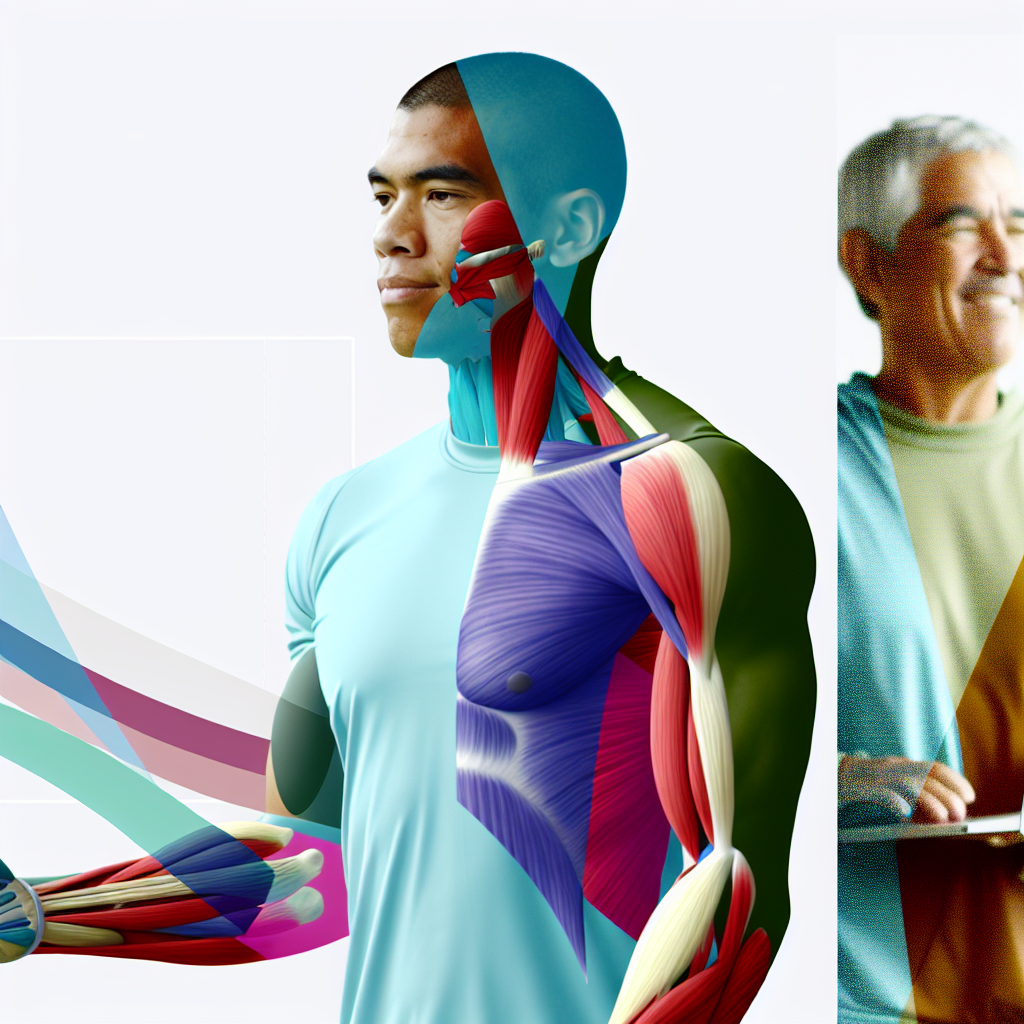
The human body is a master of adaptation. When exposed to consistent physical challenges, such as strength training or cardiovascular exercise, it undergoes measurable changes to become more efficient at those tasks. These adaptations include muscle hypertrophy, increased mitochondrial density, improved neuromuscular coordination, and changes in metabolic pathways. This process is fundamental to making progress in any fitness program.
However, adaptation is a double-edged sword. While beneficial, it can also lead to plateaus if the training stimulus remains unchanged. Furthermore, the body’s ability to adapt is heavily influenced by genetic factors, which set the boundaries for an individual’s potential and dictate the rate of progress. By understanding these intrinsic limits, fitness professionals can design more effective, individualized programs that align with each person’s unique physiological framework.
When Compensation Becomes a Performance Roadblock
Compensation occurs when the body finds alternative ways to accomplish a movement due to weakness, pain, or mobility restrictions. Initially, this may help maintain performance, but over time, it can create dysfunctional movement patterns that undermine long-term results.
These compensations, if left unchecked, place undue stress on supporting structures, leading to overuse injuries, chronic pain, and diminished athletic output. Recognizing the signs of compensation is crucial for athletes and fitness enthusiasts aiming to maximize their potential and avoid setbacks.
The Hidden Costs of Imbalances in Functional Movement
Functional movement imbalances are often the root cause of stagnation and injury. When muscle groups do not work in harmony, the body’s biomechanics are disrupted, resulting in inefficient force production and increased injury risk.
For example, imbalances between the anterior and posterior muscle chains can lead to postural deviations, compromised joint stability, and decreased movement efficiency. Addressing these hidden costs requires a systematic approach to movement assessment and correction, ensuring that all components of the kinetic chain are functioning optimally.
Professional Strategies to Identify and Address Limitations
Fitness professionals rely on a range of evidence-based strategies to uncover and address limitations in performance. Comprehensive movement screenings, biomechanical assessments, and regular progress tracking allow experts to pinpoint compensatory patterns and underlying deficiencies.
Once identified, targeted corrective exercises, mobility work, and progressive overload principles are employed to restore balance and optimize function. This scientific approach ensures that interventions are not just reactive but proactive, setting the stage for sustainable improvement.
Empowering Sustainable Progress Through Targeted Interventions
Sustainable progress in fitness is achieved not by seeking a one-size-fits-all answer, but by leveraging scientific insights to craft a personalized pathway. By understanding the interplay between genetics, adaptation, and compensation, individuals can make informed decisions that align with their unique capabilities.
Continual reassessment and adjustment of training variables—intensity, volume, modality—enable ongoing progress while mitigating the risks associated with compensation and imbalance. In this way, science provides the framework for discovery, guiding individuals and professionals alike toward lasting wellness and peak performance.